

As the crescent moon appears on the horizon, approximately 1.9 billion Muslims across the globe will prepare to welcome the holiest month in the Islamic calendar—Ramadan. The year 2026 brings this sacred season at a unique time, offering believers in North America and beyond an opportunity for profound spiritual renewal. This comprehensive guide explores every facet of Ramadan 2026, from astronomical predictions to heartfelt greetings, ensuring you are fully prepared to embrace this blessed month with knowledge and devotion.
Section One: Understanding Ramadan’s Significance
The Divine Revelation
Ramadan occupies an unparalleled position in Islamic tradition. It was during this month, on the Night of Power (Laylat al-Qadr), that the first verses of the Holy Quran were revealed to Prophet Muhammad through the Angel Jibril. This divine communication, which continued over twenty-three years, transformed human civilization by establishing principles of justice, compassion, and monotheistic worship.
The Quran explicitly commands fasting in Surah Al-Baqarah:
“O you who have believed, decreed upon you is fasting as it was decreed upon those before you that you may become righteous.” (Quran 2:183)
This verse establishes the universal nature of fasting while emphasizing its ultimate purpose—attaining Taqwa, or God-consciousness. Unlike mere dietary restriction, Islamic fasting represents a comprehensive spiritual discipline encompassing thoughts, words, and actions.
The Five Pillars Connection
Fasting during Ramadan constitutes the Fourth Pillar of Islam, following the declaration of faith (Shahada), prayer (Salah), charity (Zakat), and preceding pilgrimage (Hajj). This positioning reflects fasting’s role in purifying the soul, making believers more receptive to spiritual truths and more capable of fulfilling other religious obligations with sincerity.
Section Two: When is Ramadan 2026? Scientific and Traditional Determination
The Lunar Calendar System
The Islamic calendar operates on lunar cycles, consisting of twelve months totaling approximately 354 days—eleven days shorter than the Gregorian solar calendar. This annual shift means Ramadan moves backward through seasons over a thirty-three year cycle, offering believers varied experiences of fasting across different daylight lengths worldwide.
Expected Dates for 1447 AH
For the Islamic year 1447 AH (After Hijra), corresponding to 2026 CE, astronomical calculations provide the following projections:
Ramadan 1447 AH Expected Timeline:
- First Evening of Ramadan: Tuesday, February 17, 2026 (sunset)
- First Day of Fasting: Wednesday, February 18, 2026
- Last Day of Fasting: Thursday, March 19, 2026
- Eid al-Fitr Celebration: Friday, March 20, 2026
The Moon Sighting Tradition
While astronomical calculations offer valuable projections, traditional Islamic practice emphasizes actual visual sighting of the crescent moon. This methodology connects modern Muslims with centuries of tradition and fosters community unity. In North America, organizations like the Fiqh Council of North America and local mosque authorities coordinate sighting efforts, occasionally resulting in regional variations of one day.
Section Three: Ramadan 2026 in the United States
The Growing American Muslim Community
With approximately 3.45 million Muslims residing in the United States, Ramadan has become increasingly visible in American society. Major cities witness vibrant Ramadan traditions, from community iftars in public parks to interfaith gatherings where Muslims invite neighbors to share in the evening meal. This visibility fosters greater understanding and appreciation of Islamic traditions among the broader American population.
Comprehensive Fasting Timetable for Major US Cities
Fasting hours vary significantly based on geographical location. Below are detailed timetables for key American cities, accounting for the March 8, 2026 transition to Daylight Saving Time.
New York City, NY Ramadan 2026 Schedule
| Ramadan Day | Date | Weekday | Sehri Ends (Fajr) | Iftar (Maghrib) | Fasting Hours |
|---|---|---|---|---|---|
| 1 | Feb 18 | Wednesday | 5:15 AM | 5:40 PM | 12 hrs 25 min |
| 5 | Feb 22 | Sunday | 5:09 AM | 5:46 PM | 12 hrs 37 min |
| 10 | Feb 27 | Friday | 5:00 AM | 5:53 PM | 12 hrs 53 min |
| 15 | Mar 4 | Wednesday | 4:50 AM | 6:00 PM | 13 hrs 10 min |
| 19 | Mar 8 | Sunday | 5:41 AM* | 7:06 PM* | 13 hrs 25 min |
| 20 | Mar 9 | Monday | 5:39 AM* | 7:07 PM* | 13 hrs 28 min |
| 25 | Mar 14 | Saturday | 5:30 AM* | 7:12 PM* | 13 hrs 42 min |
| 30 | Mar 19 | Thursday | 5:22 AM* | 7:17 PM* | 13 hrs 55 min |
Times after March 8 reflect Daylight Saving Time adjustment
Los Angeles, CA Ramadan 2026 Schedule
| Ramadan Day | Date | Weekday | Sehri Ends (Fajr) | Iftar (Maghrib) | Fasting Hours |
|---|---|---|---|---|---|
| 1 | Feb 18 | Wednesday | 5:12 AM | 5:44 PM | 12 hrs 32 min |
| 5 | Feb 22 | Sunday | 5:07 AM | 5:48 PM | 12 hrs 41 min |
| 10 | Feb 27 | Friday | 4:59 AM | 5:54 PM | 12 hrs 55 min |
| 15 | Mar 4 | Wednesday | 4:51 AM | 6:00 PM | 13 hrs 09 min |
| 19 | Mar 8 | Sunday | 5:43 AM* | 7:06 PM* | 13 hrs 23 min |
| 20 | Mar 9 | Monday | 5:42 AM* | 7:07 PM* | 13 hrs 25 min |
| 25 | Mar 14 | Saturday | 5:34 AM* | 7:11 PM* | 13 hrs 37 min |
| 30 | Mar 19 | Thursday | 5:27 AM* | 7:15 PM* | 13 hrs 48 min |
Chicago, IL Ramadan 2026 Schedule
| Ramadan Day | Date | Weekday | Sehri Ends (Fajr) | Iftar (Maghrib) | Fasting Hours |
|---|---|---|---|---|---|
| 1 | Feb 18 | Wednesday | 5:08 AM | 5:36 PM | 12 hrs 28 min |
| 5 | Feb 22 | Sunday | 5:01 AM | 5:42 PM | 12 hrs 41 min |
| 10 | Feb 27 | Friday | 4:52 AM | 5:49 PM | 12 hrs 57 min |
| 15 | Mar 4 | Wednesday | 4:42 AM | 5:56 PM | 13 hrs 14 min |
| 19 | Mar 8 | Sunday | 5:33 AM* | 7:02 PM* | 13 hrs 29 min |
| 20 | Mar 9 | Monday | 5:31 AM* | 7:03 PM* | 13 hrs 32 min |
| 25 | Mar 14 | Saturday | 5:22 AM* | 7:08 PM* | 13 hrs 46 min |
| 30 | Mar 19 | Thursday | 5:14 AM* | 7:13 PM* | 13 hrs 59 min |
Practical Considerations for American Muslims
Workplace Accommodations: Many American employers have developed policies accommodating Muslim employees during Ramadan. The Equal Employment Opportunity Commission recognizes religious accommodation as a protected right. Muslims may request adjusted lunch hours, flexible arrival times, or private spaces for prayer.
School Considerations: Muslim students may need to participate in physical activities while fasting. Open communication with teachers and coaches helps create supportive environments. Many school districts now recognize major Islamic holidays, though Eid al-Fitr 2026 falling on Friday may require advance notification of absence.
Daylight Saving Transition: The March 8 time change presents unique challenges. Muslims should prepare for later iftar times and adjust sleep schedules gradually during the preceding week. Community iftars may shift timing, so staying connected with local mosque announcements proves essential.
Section Four: Spiritual Preparation for Ramadan 2026
The Three Stages of Ramadan
Islamic tradition divides Ramadan into three distinct ten-day sections, each carrying unique spiritual significance and recommended supplications.
First Ashra (Days 1-10): Mercy (Rahmah)
This initial period emphasizes Allah’s infinite compassion. Believers focus on seeking mercy for past shortcomings while extending mercy toward others through forgiveness and kind treatment.
Dua for the First Ashra:
Arabic: رَبِّ اغْفِرْ وَارْحَمْ وَأَنْتَ خَيْرُ الرَّاحِمِينَ
Transliteration: “Rabbigh-fir war-ham wa anta khair-ur-raahimeen”
Translation: “My Lord, forgive and have mercy, and You are the best of those who show mercy.”
Second Ashra (Days 11-20): Forgiveness (Maghfirah)
The middle segment intensifies focus on seeking divine forgiveness for sins. This period encourages sincere repentance and reconciliation with those we may have wronged.
Dua for the Second Ashra:
Arabic: أَسْتَغْفِرُ اللَّهَ رَبِّي مِنْ كُلِّ ذَنْبٍ وَأَتُوبُ إِلَيْهِ
Transliteration: “Astaghfirullah rabbi min kulli dhambin wa atubu ilayh”
Translation: “I seek forgiveness from Allah, my Lord, from every sin and I turn to Him in repentance.”
Third Ashra (Days 21-30): Salvation from Hellfire (Nijat)
The final stretch seeks protection from eternal punishment. This period includes the Night of Power, described in the Quran as “better than a thousand months” (97:3).
Dua for the Third Ashra:
Arabic: اللَّهُمَّ أَجِرْنِي مِنَ النَّارِ
Transliteration: “Allahumma ajirni min an-nar”
Translation: “O Allah, protect me from the fire.”
Practical Preparation Steps
Spiritual Inventory: Before Ramadan begins, assess your relationship with Allah honestly. Identify areas needing improvement—perhaps prayer punctuality, Quran recitation consistency, or charitable giving habits.
Physical Preparation: Gradually adjust sleep patterns and meal times during the weeks preceding Ramadan. Reducing caffeine intake before the month starts helps minimize withdrawal headaches during early fasting days.
Financial Planning: Calculate and set aside Zakat al-Fitr (obligatory charity due before Eid prayers) early. Consider increasing general charity throughout the month, when rewards are multiplied seventy times or more.
Environmental Setup: Designate a clean, quiet prayer space in your home. Organize Islamic books, prayer mats, and Quran translations for easy access during nightly worship.
Section Five: Comprehensive Collection of Duas and Prayers
Essential Daily Duas
Dua for Beginning the Fast (Suhoor Intention):
Arabic: وَبِصَوْمِ غَدٍ نَّوَيْتُ مِنْ شَهْرِ رَمَضَانَ
Transliteration: “Wa bi-sawmi ghadin nawaitu min shahri Ramadan”
Translation: “I intend to keep the fast for tomorrow in the month of Ramadan.”
Dua for Breaking Fast (Iftar):
Arabic: اللَّهُمَّ إِنِّي لَكَ صُمْتُ وَبِكَ آمَنْتُ وَعَلَيْكَ تَوَكَّلْتُ وَعَلَى رِزْقِكَ أَفْطَرْتُ
Transliteration: “Allahumma inni laka sumtu wa bika aamantu wa ‘alayka tawakkaltu wa ‘ala rizq-ika aftartu”
Translation: “O Allah, for You I have fasted, in You I believe, upon You I rely, and with Your provision I break my fast.”
Dua for Protection from Hellfire:
Arabic: اللَّهُمَّ إِنِّي أَسْأَلُكَ رِضَاكَ وَالْجَنَّةَ وَأَعُوذُ بِكَ مِنْ سَخَطِكَ وَالنَّارِ
Transliteration: “Allahumma inni as’aluka ridaka wal-jannata wa a’udhu bika min sakhatika wan-nar”
Translation: “O Allah, I ask for Your pleasure and Paradise, and I seek refuge from Your displeasure and the Fire.”
Night of Power (Laylat al-Qadr) Supplication
The most recommended dua for the last ten nights, particularly the odd-numbered nights:
Arabic: اللَّهُمَّ إِنَّكَ عَفُوٌّ تُحِبُّ الْعَفْوَ فَاعْفُ عَنِّي
Transliteration: “Allahumma innaka ‘afuwwun tuhibbul-‘afwa fa’fu ‘anni”
Translation: “O Allah, You are Forgiving and love forgiveness, so forgive me.”
Section Six: 250+ Beautiful Ramadan Wishes and Greetings
English Wishes for Every Relationship
Family-Focused Greetings:
- “To my beloved parents, your unwavering faith has always illuminated our family’s path. May this Ramadan bring you abundant health, peace, and the fulfillment of all your heartfelt prayers. Your sacrifices inspire us daily. Ramadan Mubarak.”
- “My dearest spouse, sharing this blessed month with you multiplies its joy. May our fasts strengthen not only our faith but our bond, drawing us closer to Allah and to each other. Thank you for being my partner in this beautiful journey.”
- “To my children—may this Ramadan plant seeds of faith in your hearts that blossom throughout your lives. Watching you learn to fast and pray fills me with pride. Allah loves you more than we ever could.”
- “Dear brother/sister, remember that every difficulty we face brings us closer to Allah’s mercy. This Ramadan, I pray He removes all hardships and replaces them with countless blessings. You deserve every happiness.”
Friendship Expressions:
- “True friends are those who remind us of Allah when we forget. Thank you for being that reminder in my life. May our friendship continue growing through many Ramadans to come.”
- “Distance means nothing when hearts connect through prayer. Though miles may separate us this Ramadan, know that you’re in my duas every single day. Ramadan Mubarak, dear friend.”
- “Some friendships are worldly; ours is spiritual. Grateful for a friend who makes faith beautiful and Ramadan meaningful. May Allah preserve our bond until Jannah.”
Professional and Community Greetings:
- “Respected colleague, as you observe Ramadan, please know your dedication inspires us. May this month bring you renewed energy and professional success alongside spiritual fulfillment.”
- “To our neighbors and friends of all faiths—thank you for your kindness and understanding during Ramadan. We’re grateful to share this community with such wonderful people. Please join us for iftar anytime.”
- “For teachers and mentors—your guidance shapes future generations. May Ramadan reward your patience and wisdom with the highest gardens of Paradise.”
Urdu Wishes: Preserving Linguistic Beauty
Classic Expressions:
- “رمضان المبارک کی آمد آمد ہے۔ اللہ کریم ہم سب کو اس ماہ کی برکتوں سے مالا مال فرمائے۔”
(Ramadan-ul-Mubarak ki aamad aamad hai. Allah Kareem hum sab ko is mah ki barkaton se maal maal farmaye.)
Translation: Ramadan Mubarak is approaching. May Allah Almighty shower us all with the blessings of this month. - “روزے رکھنے والوں کے لیے جنت کے دروازے کھل جاتے ہیں۔ اللہ آپ کو جنت الفردوس میں اعلیٰ مقام عطا فرمائے۔”
(Roze rakhne walon ke liye Jannat ke darwaze khul jatay hain. Allah aap ko Jannat-ul-Firdaus mein aala muqaam ata farmaye.)
Translation: The doors of Paradise open for those who fast. May Allah grant you the highest station in Jannah.
Heartfelt Messages:
- “تمہاری دعاؤں کی برکت سے میری زندگی میں سکون ہے۔ رمضان تمہارے لیے رحمتوں اور برکتوں والا ہو۔”
(Tumhari duaon ki barkat se meri zindagi mein sakoon hai. Ramadan tumharay liye rehmaton aur barkaton wala ho.)
Translation: Through the blessings of your prayers, my life finds peace. May your Ramadan be filled with mercy and blessings. - “ماہ رمضان رحمت، مغفرت اور جہنم سے نجات کا مہینہ ہے۔ اللہ تعالیٰ ہم سب کو ان تینوں مراحل سے کامیاب کرے۔”
(Mahe Ramadan rehmat, maghfirat aur jahannam se nijaat ka maheena hai. Allah Ta’ala hum sab ko in teenon marahil se kamiyab kare.)
Translation: Ramadan is the month of mercy, forgiveness, and salvation from hellfire. May Allah grant us success in all three stages.
Hindi Wishes: Connecting with the Heartland
Spiritual Messages in Hindi:
- “रमज़ान का पवित्र महीना आपके जीवन में खुशियाँ, शांति और समृद्धि लेकर आए। आपके सभी रोज़े और इबादतें कबूल हों।”
(Ramzan ka pavitra mahina aapke jeevan mein khushiyan, shanti aur samriddhi lekar aaye. Aapke sabhi roze aur ibadatein qubool hon.)
Translation: May the holy month of Ramadan bring happiness, peace, and prosperity to your life. May all your fasts and prayers be accepted. - “रोज़ा सिर्फ भूखे रहने का नाम नहीं, बल्कि अपनी आत्मा को पाक करने का नाम है। रमज़ान मुबारक!”
(Roza sirf bhookhe rehne ka naam nahin, balki apni aatma ko paak karne ka naam hai. Ramadan Mubarak!)
Translation: Fasting isn’t just about staying hungry—it’s about purifying your soul. Ramadan Mubarak! - “अल्लाह से दुआ है कि आपके तमाम गुनाह माफ़ हों, आपकी दुआएँ कबूल हों और आपको जन्नत नसीब हो।”
(Allah se dua hai ki aapke tamaam gunaah maaf hon, aapki duayein qubool hon aur aapko Jannat naseeb ho.)
Translation: I pray to Allah that all your sins are forgiven, your supplications are accepted, and Paradise is your reward.
Short Social Media Captions
Instagram and Facebook Ready:
- “30 days closer to Allah. #Ramadan2026 #BlessedMonth”
- “Feed your soul more than your body this month. #RamadanKareem”
- “The best makeover begins from within. Ramadan Mubarak! “
- “Detox your body, retrain your mind, purify your soul. Let’s go! “
- “Laylatul Qadr > 83 years. Imagine what’s possible in 30 days. “
Section Seven: Ramadan Quotes in Hindi and English
Inspirational Quotes About Fasting
English:
- “Fasting is the first principle of medicine; fasting is the first principle of spirituality. They are one.” — Rumi
- “When you fast, you withdraw from the world’s table to the table of Allah. You realize that all provision comes from Him alone.”
- “Ramadan is the month where hearts turn toward their Maker, where souls find their anchor, and where lives find their purpose.”
- “The hunger you feel is temporary. The spiritual growth you gain is eternal. Choose wisely.”
- “Your fast is not complete until you have fasted from sins as you have fasted from food.”
Hindi:
- “रोज़ा सिर्फ पेट का नहीं, बल्कि आँख, कान, जुबान और दिल का भी होता है।”
(Roza sirf pet ka nahin, balki aankh, kaan, jubaan aur dil ka bhi hota hai.)
Translation: Fasting isn’t just for the stomach—it’s for the eyes, ears, tongue, and heart too. - “रमज़ान की हर रात क़द्र की रात है, अगर आप इसे ग़फ़लत में न गुज़ारें।”
(Ramzan ki har raat Qadr ki raat hai, agar aap ise ghaflat mein na guzaarein.)
Translation: Every night of Ramadan is the Night of Power, if you don’t spend it in negligence. - “भूखा रहना आसान है, पर अल्लाह के लिए भूखा रहना इबादत है।”
(Bhookha rehna aasaan hai, par Allah ke liye bhookha rehna ibaadat hai.)
Translation: Staying hungry is easy, but staying hungry for Allah’s sake is worship.
Section Eight: Nutritional Guidance for Healthy Fasting
Suhoor: The Blessed Meal
The pre-dawn meal holds special significance, with Prophet Muhammad advising, “Take Suhoor, for in Suhoor there is blessing.” (Bukhari and Muslim)
Optimal Suhoor Components:
- Complex Carbohydrates: Oats, whole grain bread, brown rice provide sustained energy release
- Protein: Eggs, yogurt, cheese, or legumes maintain muscle mass and promote satiety
- Healthy Fats: Avocado, nuts, olive oil support hormone function and vitamin absorption
- Hydration: Water, herbal teas, and hydrating foods like cucumbers and watermelon
- Fruits and Vegetables: Provide essential vitamins, minerals, and fiber
Foods to Avoid at Suhoor:
- High-sodium foods causing excessive thirst
- Sugary cereals and pastries leading to energy crashes
- Caffeinated beverages acting as diuretics
- Spicy foods potentially causing digestive discomfort
Iftar: Breaking the Fast Mindfully
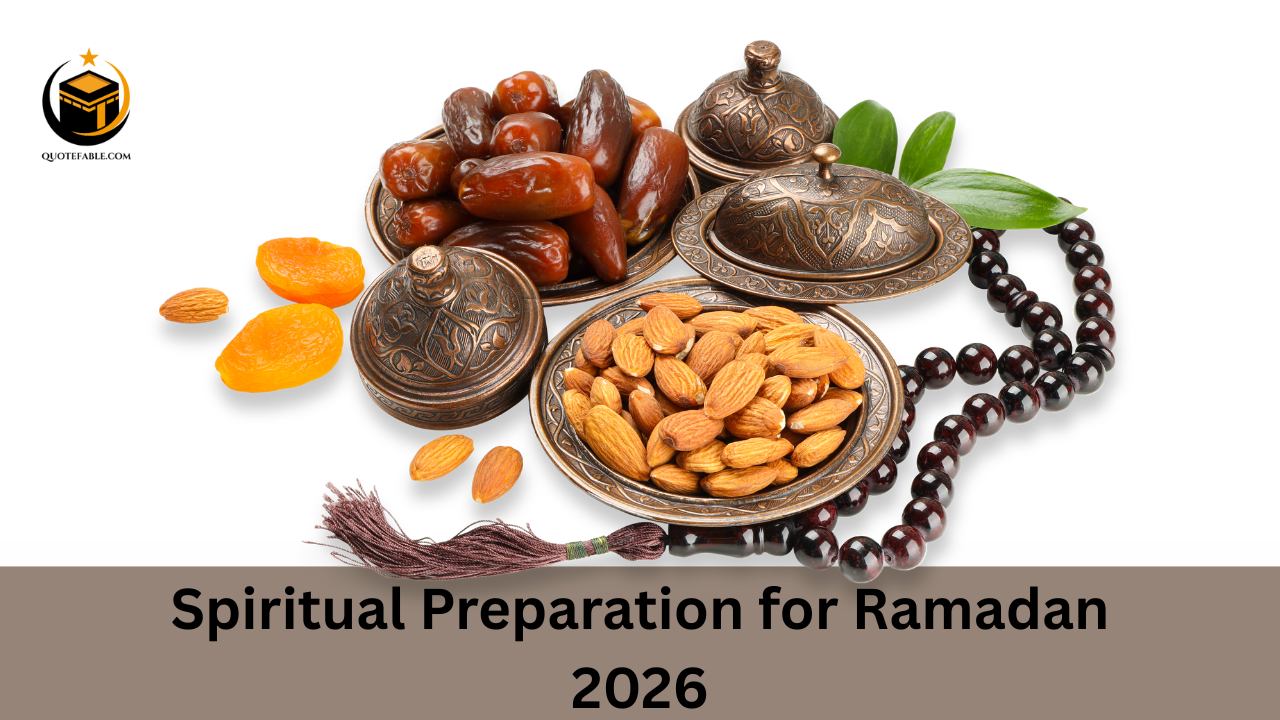
Following the prophetic tradition of breaking fast with dates and water provides physiological wisdom—dates offer natural sugars for immediate energy replenishment while water rehydrates after hours without intake.
Balanced Iftar Plate:
- Start with 3 dates and water (prophetic tradition)
- Soup (lentil, vegetable, or chicken) to prepare digestive system
- Salad providing fiber and nutrients
- Main meal with lean protein, vegetables, and moderate carbohydrates
- Dessert in moderation (focus on fruit-based options)
Common Pitfalls to Avoid
- Overeating at iftar, contradicting fasting’s purpose
- Skipping suhoor, leading to excessive hunger and fatigue
- Consuming fried and processed foods causing lethargy
- Inadequate water intake between iftar and suhoor
- Sleep deprivation undermining worship quality
Section Nine: Family and Community Traditions
Creating Meaningful Family Rituals
Ramadan Preparation Activities:
- Involve children in decorating the home with Ramadan lights and crescent moons
- Create a Ramadan advent-style calendar with daily good deeds
- Set up a “Sadaqah (charity) jar” where family members contribute daily
- Read age-appropriate Islamic stories together before bedtime
Enhanced Worship Together:
- Pray Tarawih as a family, even if children participate briefly
- Read Quran together, with each family member sharing reflections
- Make dua together before iftar, when supplications are most accepted
- Plan one community service activity as a family during Ramadan
Community Connections
Mosque Programs: American mosques offer extensive Ramadan programming, including daily iftars, Tarawih prayers, Quranic study circles, and weekend family events. Many provide meals for students, travelers, and those in need.
Interfaith Iftars: Hosting or attending interfaith iftars builds bridges of understanding. These gatherings invite neighbors, colleagues, and friends of other faiths to experience Ramadan hospitality and learn about Islamic traditions.
Virtual Connections: For those unable to attend mosque regularly, online Quran circles, virtual iftars with distant family, and Islamic lecture streaming maintain community bonds.
Section Ten: Eid al-Fitr 2026 Celebration
The Day of Joy
After thirty days of devotion, Muslims celebrate Eid al-Fitr—the Festival of Breaking the Fast. This day combines spiritual gratitude with communal celebration.
Eid Morning Rituals:
- Ghusl (ritual bath) and wearing best clothes
- Eating something sweet (typically dates) before leaving for prayer
- Reciting Takbirat (declarations of Allah’s greatness) on the way to prayer
- Attending Eid prayer at mosque or designated prayer ground
- Listening to Eid sermon (Khutbah)
- Exchanging greetings of “Eid Mubarak” with the community
Eid Celebrations:
- Visiting family and friends
- Exchanging gifts, especially with children
- Enjoying special Eid meals and sweets
- Continuing charity and good deeds beyond Ramadan
Zakat al-Fitr: Purifying the Fast
Before Eid prayer, every Muslim who possesses basic necessities must pay Zakat al-Fitr on behalf of themselves and their dependents. This obligatory charity, approximately equivalent to one meal’s cost, ensures that even the poor can celebrate Eid with dignity.
2026 Estimated Amount: Islamic organizations typically announce the specific amount close to Ramadan’s end, generally ranging from $10-15 per person in the United States.
Section Eleven: Comprehensive Ramadan Checklis
Before Ramadan Begins
- Make sincere intention (niyyah) for month-long worship
- Settle any owed fasts from previous Ramadan
- Learn or review Ramadan-specific rulings
- Set personal worship goals (Quran pages per day, prayer quality)
- Prepare Ramadan prayer schedule with local timings
- Stock pantry with healthy suhoor and iftar options
- Notify workplace/school about Ramadan schedule
- Connect with local mosque for community iftar opportunities
During Ramadan Daily
- Wake for suhoor with intention
- Pray Fajr on time
- Read Quran (even few verses if busy)
- Make duas throughout day
- Perform good deeds and avoid arguments
- Prepare for iftar with gratitude
- Break fast promptly with dates and water
- Pray Maghrib immediately after breaking fast
- Have balanced iftar meal
- Pray Isha and Tarawih
- Make sincere duas before sleeping
- Set intention for next day’s fast
Last Ten Days Special Focus
- Increase nightly worship
- Seek Laylat al-Qadr (especially odd nights: 21, 23, 25, 27, 29)
- Recite Laylat al-Qadr dua frequently
- Perform itikaf (spiritual retreat) if possible
- Increase charity and good deeds
- Pay Zakat al-Fitr before Eid prayer
Eid Day
- Pay Zakat al-Fitr (if not already done)
- Perform ghusl and wear nice clothes
- Eat something sweet before prayer
- Attend Eid prayer
- Visit family and friends
- Exchange gifts and greetings
- Continue prayers and good habits
Section Twelve: Ramadan Across Different Cultures
Diversity Within Unity
While Ramadan’s core practices unite Muslims worldwide, cultural expressions add beautiful diversity:
Middle Eastern Traditions: Lanterns (fanous) decorate streets; qatayef (stuffed pancakes) and kunafa grace iftar tables.
South Asian Customs: Mosques and homes illuminate with lights; special markets (Ramadan bazaars) offer traditional foods like samosas and jalebis.
African Traditions: Communal iftars in village squares; unique dishes like Moroccan harira soup and Nigerian bean cakes.
Western Adaptations: Muslims in America, Europe, and Australia creatively balance faith with local contexts, developing new traditions while preserving core practices.
Section Thirteen: Common Questions Answered
Q: Can I brush my teeth while fasting?
A: Yes, using toothpaste is permissible as long as nothing is swallowed. Many scholars recommend using miswak (tooth-stick) as an excellent alternative.
Q: What if I accidentally eat or drink while fasting?
A: If done forgetfully, the fast remains valid. Upon remembering, immediately stop eating/drinking and continue fasting.
Q: Can pregnant or nursing women fast?
A: Islam exempts pregnant and nursing women if fasting poses health risks. They should make up missed fasts later or pay fidya (compensation) if unable.
Q: How do I determine iftar time in locations with extreme daylight?
A: Muslims in regions with extremely long days or midnight sun follow nearest Muslim community timings or Mecca time, depending on scholarly opinions followed.
Q: Can I listen to music while fasting?
A: This depends on individual scholarly following. Generally, Ramadan emphasizes focusing on worship and avoiding distractions. Many use the month to minimize entertainment and increase Quran listening.
Conclusion:
As the crescent moon heralds Ramadan 2026, Muslims across the United States and worldwide stand at the threshold of extraordinary spiritual opportunity. This blessed month offers more than ritual observance—it presents a comprehensive system for human transformation, addressing physical, emotional, and spiritual dimensions simultaneously.
The beauty of Ramadan lies in its accessibility. Whether you are a lifelong practitioner or someone returning to faith, whether you can devote entire nights to prayer or struggle to find moments between work and family obligations, Ramadan meets you where you are. Every sincere intention, every difficult fast maintained, every verse of Quran recited, every coin given in charity—all carry weight beyond measure.
For American Muslims in 2026, Ramadan arrives at a time of increasing visibility and integration. The challenges of maintaining faith in a secular society become opportunities for demonstrating Islam’s beauty through character, kindness, and community engagement. The fasting hours, varying across our vast nation, remind us of Muslims’ diversity while our shared devotion unites us in purpose.
As you prepare for this sacred month, remember that Ramadan’s ultimate gift is not the food at iftar or the celebration of Eid—it is the renewed connection with the Divine, the cleansing of the heart, and the reorientation of life toward purpose. The hunger teaches empathy. The prayer teaches presence. The Quran teaches guidance. The community teaches belonging.
May Ramadan 2026 be for you a month of profound mercy, complete forgiveness, and lasting transformation. May your fasts be accepted, your prayers answered, and your heart illuminated. May the lessons learned during these thirty days extend throughout the year, shaping not only how you worship but how you live, love, and serve humanity.
Ramadan Mubarak 2026! May you and your loved ones witness this blessed month in health, faith, and happiness.
تَقَبَّلَ اللَّهُ مِنَّا وَمِنْكُمْ
(Taqabbal Allahu minna wa minkum)
“May Allah accept from us and from you.”
