

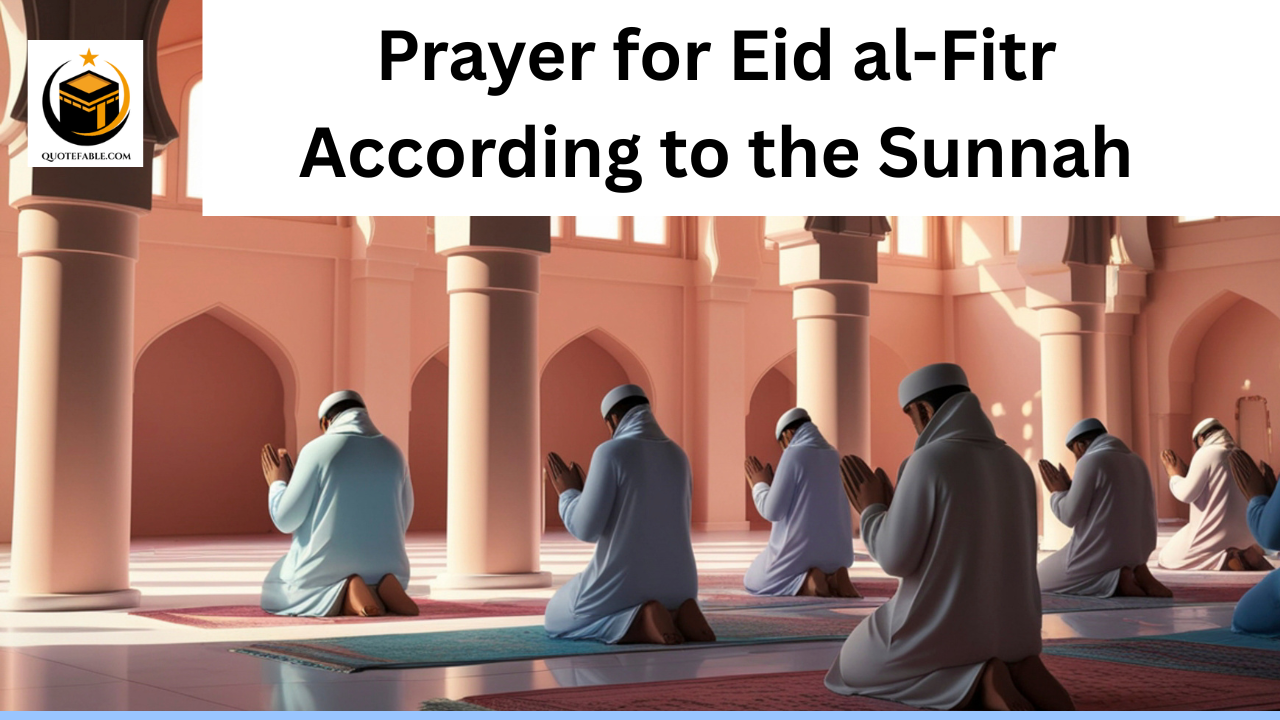
Eid al-Fitr is one of the most joyful and spiritually uplifting days in the Islamic calendar. It marks the completion of Ramadan, a month devoted to fasting, prayer, charity, and self-discipline. The day of Eid is not merely a celebration; it is an act of worship filled with remembrance, gratitude, and unity. The prayer of Eid al-Fitr, as practised by Prophet Muhammad ﷺ, reflects a beautiful balance between devotion and happiness. This article provides a comprehensive explanation of the Eid prayer according to the Sunnah, along with its spiritual significance and recommended supplications.
1. The Date and Beginning of Eid al-Fitr
Eid al-Fitr falls on the first day of Shawwal, the month that follows Ramadan in the Islamic lunar calendar. The celebration begins after the confirmed sighting of the new moon. Unlike other Islamic acts of worship that are spread throughout the day, the central act of Eid is performed in the morning shortly after sunrise.
The timing itself carries meaning. It symbolises a fresh beginning after a month of spiritual training. Just as Ramadan began with intention and discipline, Eid begins with gratitude and praise.
2. The Spiritual Meaning of Eid Prayer
Eid is often associated with new clothes, festive meals, and family gatherings. While these are permissible expressions of joy, the heart of Eid lies in worship. The prayer of Eid al-Fitr represents:
- Thankfulness for completing Ramadan
- Hope that Allah has accepted one’s fasting and good deeds
- Unity of the Muslim community gathering in one place
- A reminder that joy in Islam is rooted in obedience to Allah
It is a day when happiness and humility coexist. Muslims celebrate not because Ramadan is over, but because they were guided through it.
3. Takbeer: The First Act of Worship on Eid
The night before Eid and the morning leading up to the prayer are filled with the recitation of Takbeer. This practice was established by the Prophet ﷺ and his companions.
The commonly recited words are
Allahu Akbar, Allahu Akbar, La ilaha illa Allah,
Allahu Akbar, Allahu Akbar, wa lillahil-hamd.
This declaration glorifies Allah, affirms His Oneness, and expresses gratitude. It transforms streets, homes, and mosques into spaces of remembrance. The Takbeer continues until the Eid prayer begins.
4. Sunnah Practices Before Leaving for Eid Prayer
The Sunnah outlines several recommended actions before attending the Eid prayer:
1. Performing Ghusl (ritual bath)
Scholars mention that the companions would purify themselves thoroughly before Eid prayer, reflecting the importance of cleanliness.
2. Wearing one’s best clothing
The Prophet ﷺ would wear his finest garments on Eid. This does not imply extravagance but rather presenting oneself honourably.
3. Eating before leaving (for Eid al-Fitr)
It is authentically reported that the Prophet ﷺ would eat dates in an odd number before heading to the prayer ground. This distinguishes Eid al-Fitr from Eid al-Adha and signifies that fasting has ended.
4. Reciting Takbeer on the way
The remembrance of Allah continues until the prayer begins.
5. The Eid Prayer Itself
The Eid prayer consists of two rak‘ahs offered in congregation. There is no adhan (call to prayer) and no iqamah. This distinguishes it from the five daily prayers.
Structure of the Prayer
First Rak‘ah:
- Opening Takbeer (Takbeer al-Ihram)
- Additional Takbeers (commonly seven, though slight variations are reported)
- Recitation of Surah Al-Fatihah
- Recitation of another chapter from the Qur’an
- Completion of the rak‘ah as usual
Second Rak‘ah:
- Standing up
- Additional Takbeers (commonly five)
- Recitation of Al-Fatihah and another chapter
- Completion of the prayer
The variations in the number of Takbeers show flexibility within the Sunnah.
6. Recitation During Eid Prayer
It is reported that the Prophet ﷺ would often recite:
- Surah Al-A‘la (Chapter 87) in the first rak‘ah
- Surah Al-Ghashiyah (Chapter 88) in the second
On other occasions, he recited Surah Qaf and Surah Al-Qamar. These chapters emphasise resurrection, accountability, and divine power—reminding believers that celebration should not distract from the Hereafter.
7. The Eid Khutbah (Sermon)
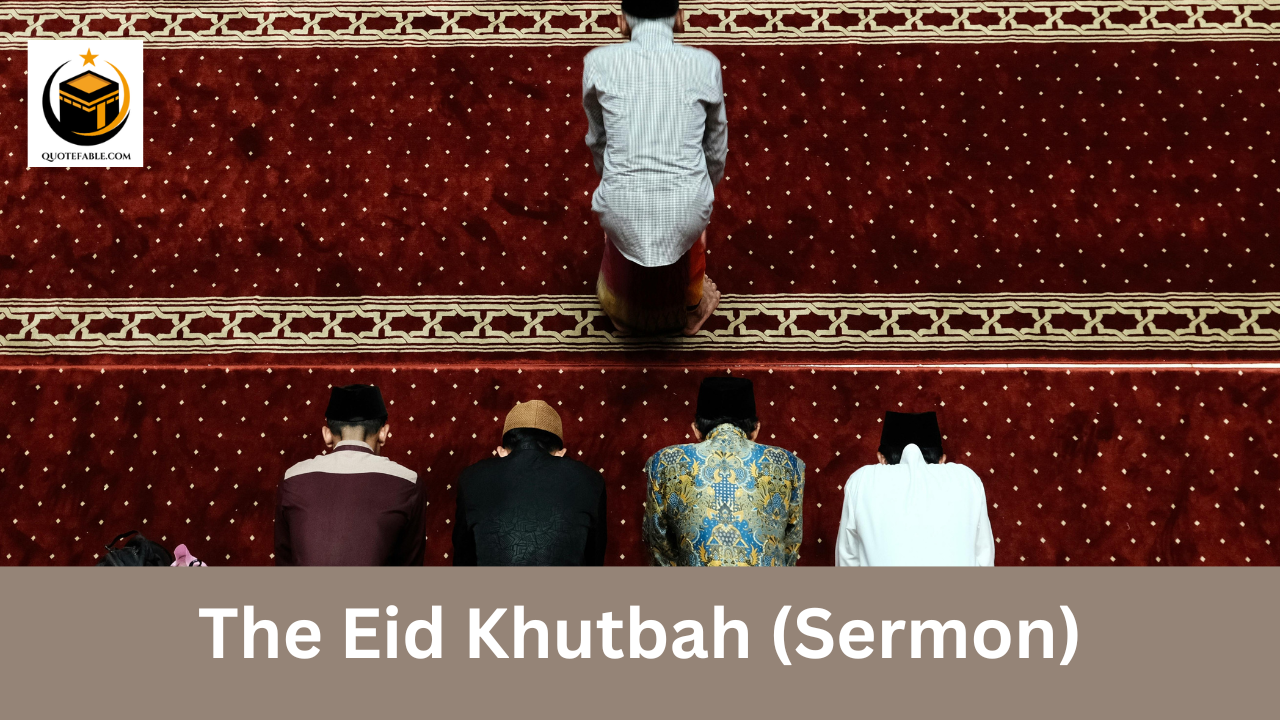
After the prayer, the Imam delivers a khutbah. Listening attentively is recommended. Unlike Jumu‘ah prayer, the khutbah of Eid comes after the prayer rather than before it.
The sermon typically includes:
- Praise of Allah
- Encouragement toward righteousness
- Reminders about charity and social responsibility
- Guidance for maintaining good deeds after Ramadan
During moments of supplication in the khutbah, worshippers may quietly say “Ameen”.
8. Greeting One Another
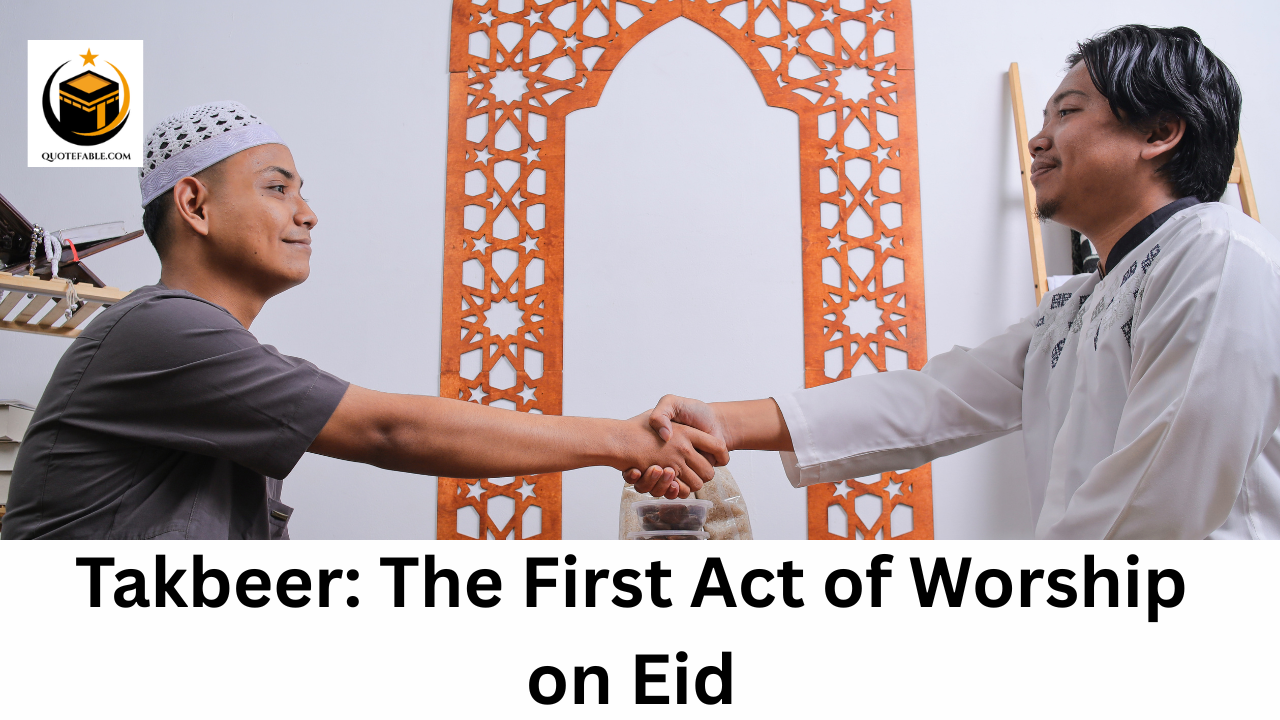
The companions of the Prophet ﷺ would congratulate each other with words of dua such as:
Taqabbal Allahu minna wa minkum
(May Allah accept from us and from you.)
This greeting reflects humility. Rather than boasting about worship, believers pray for acceptance.
9. Gratitude and Personal Supplications
Eid is a powerful moment for personal dua. Having completed Ramadan, hearts are softened and hopeful. Supplications may include:
- Asking Allah to accept fasting and night prayers
- Seeking forgiveness for shortcomings
- Praying for steadfastness after Ramadan
- Asking for blessings for family and the wider Ummah
There is no specific prescribed dua limited to Eid; general supplications are encouraged.
10. Remembering the Poor: Zakat al-Fitr
Before the Eid prayer, Muslims must give Zakat al-Fitr. This charity ensures that those in need can also celebrate. It purifies shortcomings in fasting and strengthens social bonds.
Eid is not complete if joy is limited to the wealthy. The Sunnah emphasises community care and shared happiness.
11. Continuing the Spirit of Ramadan
One of the most important messages of Eid is continuity. Ramadan trains the believer in discipline, patience, and devotion. Eid is not the end of worship but the beginning of consistency.
Scholars often say that one sign of acceptance of a good deed is the ability to follow it with another good deed. Therefore, maintaining prayer, charity, and Qur’an recitation after Ramadan is essential.
Conclusion
The prayer of Eid al-Fitr, as taught and practised by Prophet Muhammad ﷺ, is a profound expression of gratitude, unity, and remembrance. From the Takbeer that fills the night air to the congregational prayer and heartfelt greetings, every element of Eid reflects submission to Allah combined with lawful joy. It is a day that unites the Ummah in worship while reminding each believer that true celebration lies in obedience, humility, and continued devotion beyond Ramadan.
