


In the journey of faith, every soul stumbles. It is not the falling that defines us, but the rising—the turning back to our Creator with a humble heart and hopeful eyes. Islam, in its infinite wisdom and mercy, does not leave the sinner in despair. Instead, it opens wide the doors of repentance (Tawbah) and forgiveness (Istighfar), inviting all who have erred to return to the embrace of Divine Mercy.
The act of making Dua for forgiveness is one of the most profound and beloved acts of worship in Islam. It is an acknowledgment of our human weakness and a testament to our faith in Allah’s infinite mercy. This comprehensive article delves deep into the concept of forgiveness in Islam, exploring its spiritual significance, the most powerful supplications from the Quran and Sunnah, the conditions for accepted repentance, and the transformative impact of seeking forgiveness in our daily lives.
Forgiveness in Islam – The Foundation of Divine Mercy
Understanding Allah’s Attribute of Forgiveness
Allah (SWT) has introduced Himself to us through His beautiful names and attributes. Among the most frequently mentioned in the Quran are names related to forgiveness:
- Al-Ghafoor (The All-Forgiving): This name appears more than 90 times in the Quran, emphasizing that forgiveness is not merely an occasional act of Allah but a fundamental aspect of His nature.
- Al-Ghaffar (The Oft-Forgiving): The repetitive form of this name indicates that Allah forgives repeatedly, continuously, and without limit. He does not tire of forgiving; rather, He rejoices when His servant turns to Him in repentance.
- Al-‘Afuww (The Pardoner): This name signifies that Allah not only forgives sins but erases them completely, as if they never existed. He pardons and overlooks, removing the consequences and stains of sin.
- Ar-Raheem (The Most Merciful): Mercy is the context within which forgiveness operates. Allah’s mercy encompasses all things, and His forgiveness flows from this boundless mercy.
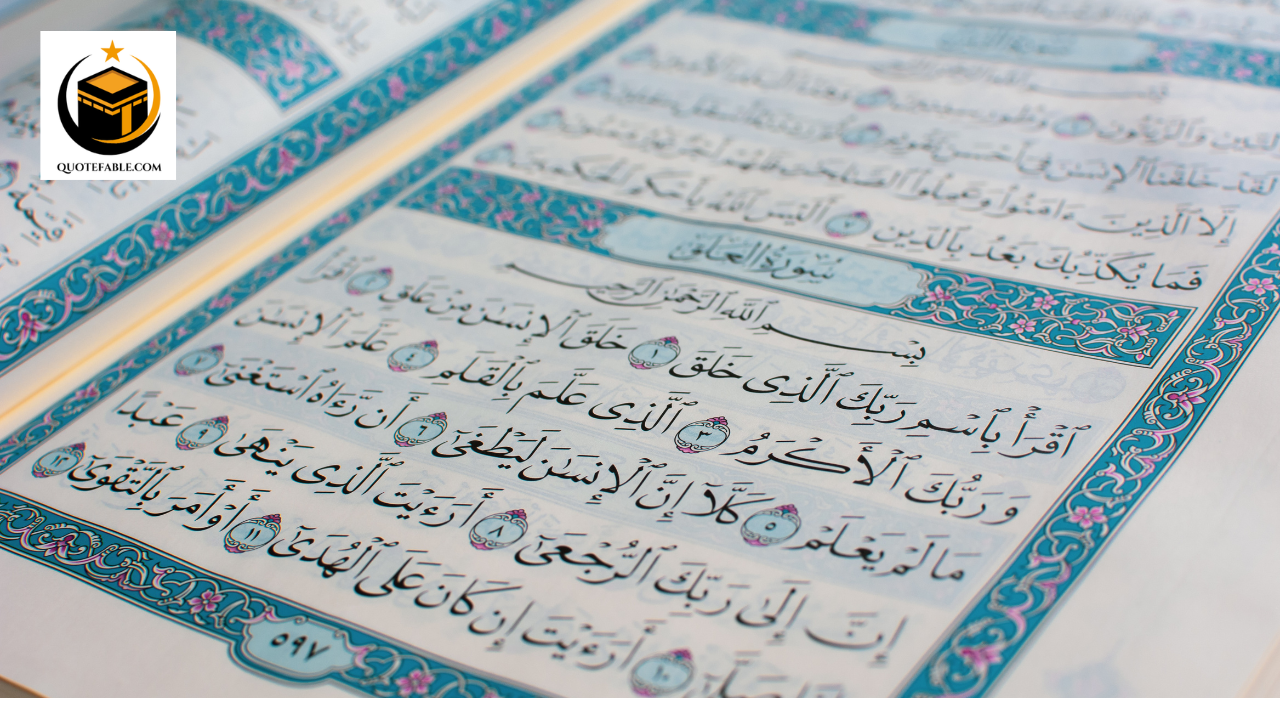
The Quranic Call to Seek Forgiveness
The Quran repeatedly calls upon believers to seek forgiveness, presenting it as both a duty and a privilege:
“And turn to Allah in repentance, all of you, O believers, that you might succeed.” (Surah An-Nur 24:31)
“And whoever does a wrong or wrongs himself but then seeks forgiveness of Allah will find Allah Forgiving and Merciful.” (Surah An-Nisa 4:110)
These verses establish that seeking forgiveness is not reserved for major sinners alone. It is a continuous practice for all believers, regardless of their spiritual station.
The Prophetic Example of Seeking Forgiveness
The Prophet Muhammad (ﷺ), despite being guaranteed Paradise and having all his past and future sins forgiven, set the ultimate example in seeking forgiveness. He said:
“By Allah, I seek forgiveness from Allah and turn to Him in repentance more than seventy times a day.” (Sahih al-Bukhari)
In another narration, he said he sought forgiveness one hundred times daily. This teaches us that Istighfar is not just about erasing sins—it is about maintaining a constant connection with Allah, acknowledging His sovereignty, and cultivating humility.
The Master Key to Forgiveness – Sayyidul Istighfar
The Virtue of This Supreme Dua
Among all the supplications for forgiveness, one stands above the rest in virtue and comprehensiveness. The Prophet Muhammad (ﷺ) declared it the “Sayyidul Istighfar” (The Master of Seeking Forgiveness) and described its immense reward:
“If somebody recites it during the day with firm faith in it, and dies on the same day before the evening, he will be from the people of Paradise. And if somebody recites it at night with firm faith in it, and dies before the morning, he will be from the people of Paradise.” (Sahih al-Bukhari)
The Full Text with Linguistic Analysis
Arabic Text:
ٱللَّهُمَّ أَنْتَ رَبِّي لَا إِلَٰهَ إِلَّا أَنْتَ خَلَقْتَنِي وَأَنَا عَبْدُكَ وَأَنَا عَلَىٰ عَهْدِكَ وَوَعْدِكَ مَا ٱسْتَطَعْتُ أَعُوذُ بِكَ مِنْ شَرِّ مَا صَنَعْتُ أَبُوءُ لَكَ بِنِعْمَتِكَ عَلَيَّ وَأَبُوءُ بِذَنْبِي فَٱغْفِرْ لِي فَإِنَّهُ لَا يَغْفِرُ ٱلذُّنُوبَ إِلَّا أَنْتَ
Transliteration:
Allāhumma anta Rabbī, lā ilāha illā ant, khalaqtanī wa ana abduk, wa anaalā ahdika wa wadika mastaṭat. Aūdhu bika min sharri mā ṣanat. Abū'u laka binimatika `alayya, wa abū’u bidhanbī faghfir lī, fa-innahū lā yaghfiru adh-dhunūba illā ant.
English Translation:
“O Allah, You are my Lord. None has the right to be worshipped except You. You created me, and I am Your servant. And I abide by Your covenant and promise as best as I can. I seek refuge in You from the evil of what I have done. I acknowledge Your favor upon me, and I acknowledge my sin. So forgive me, for indeed, none can forgive sins except You.”
Deep Reflection on Its Meanings
This dua is a masterpiece of spiritual expression, containing several profound elements:
- Affirmation of Tawheed (Monotheism): It begins by affirming Allah’s exclusive right to worship, establishing the foundation upon which forgiveness is sought.
- Acknowledgment of Creation and Servitude: By saying “You created me, and I am Your servant,” the believer acknowledges their complete dependence on Allah and their inherent role as His servant.
- Commitment to the Covenant: The phrase “I abide by Your covenant and promise as best as I can” reflects the believer’s sincere effort, despite human limitations, to fulfill Allah’s commands.
- Seeking Refuge from One’s Own Evil: “I seek refuge in You from the evil of what I have done” is a profound admission that our own actions can harm us, and only Allah can protect us from their consequences.
- Dual Acknowledgment: The believer simultaneously acknowledges Allah’s countless favors (“I acknowledge Your favor upon me”) and their own sins (“and I acknowledge my sin”). This balance between gratitude and humility is the essence of true repentance.
- Exclusive Reliance on Allah’s Forgiveness: The dua concludes by affirming that no one but Allah can forgive sins, directing all hope and reliance to Him alone.
The Shortest Path – Simple Duas for Daily Forgiveness
The Power of “Astaghfirullah”
While lengthy supplications carry immense reward, Islam also provides simple, powerful phrases that can be repeated throughout the day, transforming mundane moments into acts of worship.
Arabic:
أَسْتَغْفِرُ اللَّهَ
Transliteration:
Astaghfirullāh
Meaning:
“I seek forgiveness from Allah.”
This three-word phrase is perhaps the most recited Istighfar in Islamic history. It was the constant companion of the Prophet (ﷺ) and his companions. Its brevity allows it to be repeated while walking, working, waiting, or in any situation.
The Extended Simple Dua
For those seeking a more comprehensive yet concise form, the Prophet (ﷺ) taught this beautiful supplication:
Arabic:
أَسْتَغْفِرُ اللَّهَ الَّذِي لَا إِلَٰهَ إِلَّا هُوَ الْحَيُّ الْقَيُّومُ وَأَتُوبُ إِلَيْهِ
Transliteration:
Astaghfirullāha alladhī lā ilāha illā huwal-ḥayyul-qayyūmu wa atūbu ilayh
Meaning:
“I seek forgiveness from Allah, the One whom there is no god but He, the Ever-Living, the Self-Subsisting, and I turn to Him in repentance.”
This dua combines Istighfar with the affirmation of Tawheed and two of Allah’s greatest names—Al-Hayy (The Ever-Living) and Al-Qayyum (The Self-Subsisting)—making it immensely powerful.

Duas from the Quran – Prophetic Supplications for Forgiveness
The Supplication of Prophet Adam (AS)
After falling into error by eating from the forbidden tree, Prophet Adam (AS) and his wife Hawwa did not despair. They turned to Allah with this profound plea:
Arabic:
رَبَّنَا ظَلَمْنَا أَنْفُسَنَا وَإِنْ لَمْ تَغْفِرْ لَنَا وَتَرْحَمْنَا لَنَكُونَنَّ مِنَ الْخَاسِرِينَ
Transliteration:
Rabbanā ẓalamnā anfusanā wa in lam taghfir lanā wa tarḥamnā lanakūnanna minal-khāsirīn
Meaning:
“Our Lord, we have wronged ourselves, and if You do not forgive us and have mercy upon us, we will surely be among the losers.” (Surah Al-A’raf 7:23)
Lessons from This Dua:
- It acknowledges that wrongdoing harms the self first and foremost.
- It links forgiveness with mercy—showing they are intertwined.
- It recognizes that without Allah’s forgiveness, one is truly a loser.
The Supplication of Prophet Nuh (AS)
Prophet Nuh (AS), after centuries of patient preaching, sought forgiveness not only for himself but for all believers:
Arabic:
رَبِّ اغْفِرْ لِي وَلِوَالِدَيَّ وَلِمَنْ دَخَلَ بَيْتِيَ مُؤْمِنًا وَلِلْمُؤْمِنِينَ وَالْمُؤْمِنَاتِ
Transliteration:
Rabbighfir lī wa liwālidayya wa liman dakhala baytiya mu’minan wa lil-mu’minīna wal-mu’mināt
Meaning:
“My Lord, forgive me and my parents and whoever enters my house a believer and the believing men and believing women.” (Surah Nuh 71:28)
Lessons from This Dua:
- It teaches us to seek forgiveness for others, not just ourselves.
- It includes parents, family, and the entire community of believers.
- It transforms Istighfar into an act of charity and love.
The Supplication of Prophet Musa (AS)
After the incident of killing the Egyptian, Prophet Musa (AS) fled and later turned to Allah in sincere repentance:
Arabic:
رَبِّ إِنِّي ظَلَمْتُ نَفْسِي فَاغْفِرْ لِي
Transliteration:
Rabbi innī ẓalamtu nafsī faghfir lī
Meaning:
“My Lord, indeed I have wronged myself, so forgive me.” (Surah Al-Qasas 28:16)
Lessons from This Dua:
- It is short yet comprehensive, showing that sincerity matters more than length.
- It combines acknowledgment of wrongdoing with an immediate plea for forgiveness.
- It demonstrates that even great prophets were not immune to error, teaching us humility.
The Supplication of Prophet Yunus (AS) – The Dua of Distress
Perhaps the most famous Quranic dua for forgiveness is that of Prophet Yunus (AS), who called upon Allah from the depths of darkness—the darkness of the night, the sea, and the belly of the whale:
Arabic:
لَا إِلَٰهَ إِلَّا أَنْتَ سُبْحَانَكَ إِنِّي كُنْتُ مِنَ الظَّالِمِينَ
Transliteration:
Lā ilāha illā anta subḥānaka innī kuntu minaẓ-ẓālimīn
Meaning:
“None has the right to be worshipped except You. Glory be to You! Indeed, I have been among the wrongdoers.” (Surah Al-Anbiya 21:87)
The Prophet’s Endorsement:
The Prophet Muhammad (ﷺ) said about this dua:
“The supplication of Dhul-Nun (Prophet Yunus) when he prayed while in the belly of the whale was: ‘La ilaha illa anta subhanaka inni kuntu mina al-zalimin.’ No Muslim prays to his Lord with these words for anything, but He will answer his prayer.” (Sunan al-Tirmidhi)
The Miraculous Response:
Allah responded to this sincere plea immediately:
“So We responded to him and saved him from the distress. And thus do We save the believers.” (Surah Al-Anbiya 21:88)
When Should We Read Dua for Forgiveness? – The Golden Moments
While seeking forgiveness is encouraged at all times, certain moments carry special significance and are more likely to see our duas accepted:
1. The Last Third of the Night (Tahajjud Time)
This is the most virtuous time for supplication. Allah descends to the lowest heaven in a manner befitting His majesty and asks:
“Who is asking Me, so that I may give him? Who is seeking forgiveness, so that I may forgive him?” (Sahih al-Bukhari)
Waking up for Tahajjud prayer and spending time in Istighfar during these precious moments is a practice of the righteous throughout history.
2. Before Dawn (Sahar)
The Quran praises those who seek forgiveness in the pre-dawn hours:
“And in the hours before dawn they would ask forgiveness.” (Surah Adh-Dhariyat 51:18)
This time, between the last third of the night and Fajr prayer, is particularly blessed for Istighfar.
3. After Obligatory Prayers
The Prophet (ﷺ) established the practice of saying “Astaghfirullah” three times immediately after completing each obligatory prayer. This serves to:
- Seek forgiveness for any shortcomings in the prayer itself
- Transition from the state of prayer back to worldly life with a cleansed soul
- Maintain a constant connection with Istighfar throughout the day
4. During Prostration (Sujood)
The Prophet (ﷺ) said:
“The closest that a servant is to his Lord is when he is prostrating, so increase your supplications [in it].” (Sahih Muslim)
Sujood represents the ultimate state of humility, making it an ideal time to pour out one’s heart and seek forgiveness.
5. On Fridays (Jumu’ah)
Friday is the master of days. There is an hour on this day—widely believed to be the last hour before Maghrib—when no Muslim asks Allah for something good without it being granted.
6. When Breaking the Fast
The Prophet (ﷺ) said:
“Three people will not have their supplication rejected: the fasting person until he breaks his fast, the just ruler, and the one who has been wronged.” (Sunan al-Tirmidhi)
The moment of iftar, when the fasting person is at their most vulnerable and hopeful, is a golden opportunity for Istighfar.
7. During Illness and Difficulty
Times of hardship soften the heart and make one more receptive to turning to Allah. The Prophet (ﷺ) advised:
“Seek benefit from five things before five: your youth before your old age, your health before your sickness…” (Al-Hakim)
8. While Traveling
Travel is a time when supplications are more likely to be accepted due to the challenges and vulnerability involved.
9. After Committing a Sin
The best time to seek forgiveness is immediately after realizing one has sinned. Delaying repentance is itself a minor sin.
Conditions of True Forgiveness – The Science of Sincere Tawbah
For repentance to be valid and accepted by Allah, certain conditions must be met. Scholars have outlined these based on the Quran and Sunnah:
General Conditions for All Sins
- Immediate Cessation of the Sin: The first and most essential step is to stop committing the sin right away. Continuing in sin while asking for forgiveness is a sign of insincerity.
- Deep and Genuine Regret: The heart must feel remorse for having disobeyed Allah. This regret is often described as the “core” of repentance. The Prophet (ﷺ) said:“Regret is repentance.” (Sunan Ibn Majah)
- Firm Resolution Not to Return: The repentant person must make a sincere, determined commitment to never commit the sin again. This resolution should be made with full awareness of human weakness but with trust in Allah’s help to stay firm.
- The Repentance Must Be for Allah’s Sake Alone: It should not be motivated by fear of people, loss of status, or worldly harm, but purely out of love and fear of Allah and hope for His reward.
Additional Conditions When Sins Involve Others’ Rights
If the sin involves the rights of another person or creation, additional steps are required:
- Restoring Rights or Seeking Forgiveness: If the sin involves taking someone’s wealth, honor, or causing them harm, the repentant person must:
- Return any wrongfully taken property
- Seek forgiveness from the person they harmed or slandered
- Make amends for any damage caused
The Prophet (ﷺ) warned:
> “Whoever has wronged his brother, let him seek his forgiveness, for there will be no Dirhams or Dinars [on the Day of Judgment]. Before his good deeds are taken and given to the one he wronged, and if he has no good deeds left, some of the bad deeds of the one he wronged will be taken and cast upon him.” (Sahih al-Bukhari)
Conditions Specific to Major Sins
Some scholars add that for major sins, the repentance should be accompanied by:
- Increased good deeds to erase the sin’s effects
- Changing one’s environment if it contributed to the sin
- Seeking refuge in Allah from returning to the sin
When Is Repentance Not Accepted?
It is crucial to understand that repentance is not accepted in two situations:
- At the Point of Death: When the soul reaches the throat and death is imminent, the door of repentance closes. Allah says:“But repentance is not [accepted] of those who [continue to] do evil deeds up until, when death comes to one of them, he says, ‘Indeed, I have repented now.'” (Surah An-Nisa 4:18)
- When the Sun Rises from the West: Before the Day of Judgment, one of the major signs is the sun rising from the West. When this occurs, the door of repentance will be closed for everyone.
The Transformative Benefits of Making Dua for Forgiveness Daily
Making Istighfar a daily habit brings countless blessings in this world and the next:
Spiritual Benefits
- Purification of the Heart: Regular Istighfar cleanses the heart from the rust of sin. The Prophet (ﷷ) said:“When a believer commits a sin, a black spot appears on his heart. If he repents and seeks forgiveness, his heart is polished clean. But if he increases in sin, the black spot increases until it covers his heart.” (Sunan Ibn Majah)
- Increased Taqwa (God-Consciousness): Constantly seeking forgiveness keeps one mindful of Allah, leading to greater consciousness in all actions.
- Strengthened Faith: Each time Allah forgives, the believer’s faith is renewed and strengthened.
- Protection from Despair: Istighfar prevents the believer from falling into despair over sins, maintaining hope in Allah’s mercy.
Worldly Benefits
- Relief from Distress: The Prophet (ﷷ) promised:“Whoever constantly seeks forgiveness, Allah will appoint for him a way out of every distress, and relief from every anxiety.” (Sunan Abi Dawud)
- Provision from Unexpected Sources: The same hadith continues:“…and will provide for him from where he expects not.”
- Strength and Well-Being: Prophet Hud (AS) told his people:“And O my people, ask forgiveness of your Lord and then repent to Him. He will send [rain from] the sky upon you in showers and increase you in strength [added] to your strength.” (Surah Hud 11:52)
- Blessings in Rain and Crops: The Quran links Istighfar to agricultural abundance:“Seek forgiveness of your Lord. Indeed, He is ever a Perpetual Forgiver. He will send [rain from] the sky upon you in continuing showers. And give you increase in wealth and children.” (Surah Nuh 71:10-12)
Psychological Benefits
- Inner Peace: Acknowledging faults and seeking forgiveness releases the psychological burden of guilt and shame.
- Humility: Regular Istighfar cultivates humility, protecting against arrogance and self-righteousness.
- Optimism: Knowing that Allah’s mercy is greater than one’s sins creates a positive, hopeful outlook on life.
Benefits in the Hereafter
- Erasing Sins: The Prophet (ﷷ) said:“The one who repents from sin is like one who has no sin.” (Sunan Ibn Majah)
- Elevation of Ranks: Sincere repentance not only erases sins but can elevate one’s status in Paradise.
- Safety on the Day of Judgment: Those who consistently sought forgiveness will find safety and security on the most terrifying day.
Dua for Forgiveness for Major Sins – Hope in Allah’s Vast Mercy
The Concept of Major Sins (Al-Kaba’ir)
Major sins in Islam include acts such as shirk (associating partners with Allah), murder, adultery, consuming interest, consuming alcohol, slandering chaste women, and fleeing from the battlefield. These sins carry severe warnings in the Quran and Sunnah.
The Door of Hope Remains Open
Despite the severity of major sins, the door of repentance remains wide open. Allah’s mercy is not limited by the size of the sin but by the sincerity of the repentance. The most encouraging verse in the Quran regarding this is:
“Say, ‘O My servants who have transgressed against themselves [by sinning], do not despair of the mercy of Allah. Indeed, Allah forgives all sins. Indeed, it is He who is the Forgiving, the Merciful.'” (Surah Az-Zumar 39:53)
Specific Duas for Major Sins
While the general duas mentioned earlier cover all sins, certain supplications are particularly powerful for seeking forgiveness from major sins:
1. Seeking Forgiveness for Shirk (if one has repented from it):
“My Lord, forgive me and have mercy upon me. Indeed, You are the Best of the merciful.” (Surah Al-Mu’minun 23:118)
2. Seeking Forgiveness for Zina (adultery/fornication):
The repentant person should increase in Istighfar and good deeds, as Allah says:
“Except for those who repent, believe and do righteous work. For them Allah will replace their evil deeds with good. And ever is Allah Forgiving and Merciful.” (Surah Al-Furqan 25:70)
3. Seeking Forgiveness for Consuming Interest:
Along with repentance, one must give up any remaining interest and resolve not to return to it. The dua of Sayyidul Istighfar is particularly recommended.
The Story of the Man Who Killed 99 People
The Prophet (ﷺ) narrated a powerful story illustrating Allah’s mercy for even the worst of sinners:
“There was a man who had killed ninety-nine people. He asked about the most knowledgeable person on earth and was directed to a monk. He went to him and said he had killed ninety-nine people and asked if there was any chance for his repentance. The monk said no, so the man killed him, completing one hundred.
He then asked again and was directed to a scholar. He told the scholar he had killed one hundred people and asked if there was any chance for his repentance. The scholar said, ‘Yes, who can come between you and repentance? Go to such-and-such land, for there are people there who worship Allah. Worship Allah with them, and do not return to your land, for it is a land of evil.’
So the man set out, but when he was halfway there, death came to him. The angels of mercy and the angels of punishment disputed over him. The angels of mercy said, ‘He came repentant, turning to Allah with his heart.’ The angels of punishment said, ‘He never did any good.’
Then an angel came in the form of a human and they made him an arbitrator. He said, ‘Measure the distance between the two lands. Whichever he is closer to, that is what he belongs to.’ They measured and found him to be closer to the land he was heading to, so the angels of mercy took him.” (Sahih al-Bukhari)
This hadith teaches us that:
- No sin is too great for Allah’s mercy
- Sincere intention to repent is valued even if death intervenes
- Changing one’s environment is crucial for sincere repentance
Teach Your Kids Dua for Forgiveness – Nurturing the Next Generation
The Importance of Early Education
The Prophet (ﷺ) said:
“Every child is born upon the fitrah (natural inclination to Islam), but his parents make him a Jew, a Christian, or a Magian.” (Sahih al-Bukhari)
Teaching children to seek forgiveness is part of preserving and nurturing their natural inclination toward Allah.
Age-Appropriate Approaches
Ages 3-5: Building the Foundation
- Teach them to say “Astaghfirullah” when they make mistakes
- Use simple language: “When we do something wrong, we tell Allah we’re sorry”
- Model the behavior by saying it yourself in front of them
- Make it a game: “Let’s see who can say Astaghfirullah the most times!”
Ages 6-9: Understanding the Concept
- Explain that Allah loves when we say sorry to Him
- Teach the story of Prophet Yunus (AS) and his dua
- Introduce the concept of regret: “How do you feel when you hurt someone? That’s how we feel when we disobey Allah”
- Help them memorize simple duas like “Rabbighfir li” (My Lord, forgive me)
Ages 10-13: Deepening Understanding
- Teach Sayyidul Istighfar and explain its meanings
- Discuss the conditions of sincere repentance
- Help them understand that Allah’s mercy is greater than their sins
- Encourage them to make Istighfar part of their bedtime routine
Ages 14+: Developing Personal Connection
- Discuss the psychological and spiritual benefits of Istighfar
- Share stories of the Prophet’s (ﷺ) constant Istighfar
- Encourage them to keep a journal of their spiritual journey
- Help them understand that Istighfar is not just for sins but for spiritual growth
Creative Teaching Methods
- Istighfar Jar: Decorate a jar and have family members write their duas for forgiveness on slips of paper to place inside. Read them together on Fridays.
- Bedtime Routine: Make saying “Astaghfirullah” three times part of the bedtime routine, explaining that it cleanses the day’s mistakes.
- Story Time: Share stories from the Quran about prophets seeking forgiveness, making them engaging and relatable.
- Dua Charts: Create colorful charts with different duas for forgiveness and hang them in visible places.
- Positive Reinforcement: Praise children when they spontaneously seek forgiveness, reinforcing the behavior.
The Power of Example
Children learn more from what they see than what they’re told. When parents:
- Seek forgiveness openly (“I made a mistake, I should say Astaghfirullah”)
- Admit when they’re wrong to their children
- Show humility in seeking Allah’s forgiveness
- Make dua for forgiveness as a family
…children internalize that seeking forgiveness is normal, healthy, and beloved to Allah.
How Learning the Quran Helps in Seeking Forgiveness
The Quran as a Guide to Repentance
The Quran is not merely a book to be recited; it is a complete guide to life, including the path to forgiveness. Learning and engaging with the Quran in multiple ways enhances one’s ability to seek and receive forgiveness.
1. Learning the Duas Directly from the Quran
The Quran contains numerous duas for forgiveness, each with unique lessons:
| Prophet | Dua | Lesson |
|---|---|---|
| Adam (AS) | “Our Lord, we have wronged ourselves…” | Acknowledgment of personal responsibility |
| Nuh (AS) | “My Lord, forgive me and my parents…” | Seeking forgiveness for others |
| Ibrahim (AS) | “Our Lord, forgive me and my parents…” | Combining personal and family repentance |
| Musa (AS) | “My Lord, indeed I have wronged myself…” | Brevity with sincerity |
| Yunus (AS) | “None has the right to be worshipped except You…” | Tawheed as foundation of forgiveness |
| Muhammad (ﷺ) | “Our Lord, forgive us our sins…” | Comprehensive supplication |
2. Understanding Allah’s Attributes Through the Quran
The Quran introduces Allah through His names and attributes. Learning these increases hope and desire for His forgiveness:
“And to Allah belong the best names, so invoke Him by them.” (Surah Al-A’raf 7:180)
When a believer learns that Allah is:
- Al-Ghafoor (The All-Forgiving): They realize no sin is beyond His forgiveness
- Ar-Raheem (The Most Merciful): They understand His mercy precedes His wrath
- Al-‘Afuww (The Pardoner): They hope He will erase their sins completely
- Al-Wadud (The Loving): They know He loves those who repent
3. Developing Taqwa (God-Consciousness)
Regular Quran study develops Taqwa, which is the internal compass that alerts a person when they are about to sin and prompts them to seek forgiveness afterward. Allah describes the Quran as:
“This is the Book about which there is no doubt, a guidance for those conscious of Allah.” (Surah Al-Baqarah 2:2)
4. Understanding the Stories of Previous Nations
The Quran is filled with stories of nations and individuals who sinned, were punished, or were forgiven:
- The people of Yunus who were saved when they believed
- The repentance of the magicians of Pharaoh
- The forgiveness granted to David (AS) after his mistake
- The warning to those who persisted in sin
These stories provide both hope and warning, motivating sincere repentance.
5. Learning the Conditions of Accepted Repentance
The Quran outlines what makes repentance sincere:
- Genuine regret: “Those who, when they commit an immorality or wrong themselves, remember Allah and seek forgiveness…” (Surah Al-Imran 3:135)
- Abandoning the sin: “And those who do not persist in what they did while they know.” (Surah Al-Imran 3:135)
- Making amends: “Except for those who repent after that and correct themselves.” (Surah Al-Imran 3:89)
6. Quranic Recitation Itself as a Means of Forgiveness
The Prophet (ﷺ) said:
“Recitation of the Quran is an expiation for sins, a protection from the Fire, and a safety from the punishment.” (Al-Bayhaqi)
Every letter recited earns rewards, and these rewards can erase sins. The more one engages with the Quran, the more opportunities for forgiveness arise.
7. Implementing Quranic Teachings
True learning leads to action. When one studies the Quran and implements its teachings, they:
- Sin less frequently due to increased awareness
- Repent more quickly when they do sin
- Develop a deeper relationship with Allah
- Experience the transformative power of divine guidance
Practical Tips for Making Istighfar a Daily Habit
Morning and Evening Routine
- Morning Istighfar: Upon waking, before starting the day, recite Sayyidul Istighfar with conviction. This sets a protective shield for the day ahead.
- Evening Istighfar: Before sleeping, recite Sayyidul Istighfar again, reflecting on the day’s events and seeking forgiveness for any shortcomings.
- After Each Prayer: Make it a non-negotiable habit to say “Astaghfirullah” three times after every obligatory prayer.
Using Technology
- Dua Apps: Install apps that send notifications for Istighfar at recommended times.
- Digital Tasbeeh: Use phone apps or digital counters to track your daily Istighfar count, aiming for specific goals (e.g., 100, 1000 times daily).
- Morning Reminders: Set alarms for the last third of the night to wake up for Tahajjud and Istighfar.
Incorporating into Daily Activities
- Commute Istighfar: Use driving or walking time to repeat “Astaghfirullah” silently or aloud.
- Work Breaks: Take short “Istighfar breaks” during work to reset spiritually.
- Waiting Moments: Whenever waiting (in lines, for appointments), engage in Istighfar instead of impatience.
Spiritual Accountability
- Istighfar Journal: Keep a journal noting your Istighfar practice and reflecting on its effects on your life.
- Accountability Partner: Partner with a friend or family member to remind each other to seek forgiveness.
- Weekly Review: Every Friday, review your week, note areas of improvement, and increase Istighfar for shortcomings.
Creating a Conducive Environment
- Visual Reminders: Place sticky notes with “Astaghfirullah” in visible places (mirror, desk, phone wallpaper).
- Istighfar Gatherings: Occasionally gather family or friends for sessions of collective Istighfar and dua.
- Sacred Space: Designate a corner in your home for reflection and Istighfar, especially during the night.
Common Misconceptions About Seeking Forgiveness
Misconception 1: “I’ve Sinned Too Much, Allah Won’t Forgive Me”
Reality: This is a trap from Shaytan. Allah’s mercy is infinite. The Quran explicitly says:
“Say, ‘O My servants who have transgressed against themselves, do not despair of the mercy of Allah. Indeed, Allah forgives all sins.'” (Surah Az-Zumar 39:53)
The more one sins, the more they need to seek forgiveness—not less.
Misconception 2: “I Can Sin Now and Repent Later”
Reality: This is dangerous thinking for several reasons:
- One may die before repenting
- Deliberate sin with the intention of later repentance shows insincerity
- Sin hardens the heart, making genuine repentance increasingly difficult
- The Prophet (ﷺ) warned against those who “postpone repentance”
Misconception 3: “Saying Astaghfirullah Is Enough Without Changing”
Reality: True Istighfar must be accompanied by action. The Prophet (ﷺ) described the heedless person who seeks forgiveness:
“If he seeks forgiveness with his tongue while his heart persists in sin, his seeking forgiveness is a lie.” (Ibn Abi Dunya)
Misconception 4: “I Can’t Be Forgiven Because I Keep Repeating the Same Sin”
Reality: Human weakness means we may fall into the same sin multiple times. Allah’s mercy accommodates this. The key is to keep repenting sincerely each time. The Prophet (ﷺ) said:
*”A man committed a sin and said, ‘O Allah, forgive my sin.’ Allah said, ‘My servant has committed a sin and knows that he has a Lord who forgives sins and punishes for sins.’ Then he returned to the sin and said, ‘O Allah, forgive my sin.’ Allah said, ‘My servant has committed a sin and knows that he has a Lord who forgives sins and punishes for sins.’ Then he returned to the sin and said, ‘O Allah, forgive my sin.’ Allah said, ‘My servant has committed a sin and knows
Conclusion: The Eternal Door of Mercy
In the journey of faith, the concept of seeking forgiveness (Istighfar) stands as one of the most beautiful and merciful gifts that Islam offers to humanity. As we have explored throughout this comprehensive article, forgiveness is not merely a ritualistic utterance of words but a profound spiritual transformation that connects the sinful servant with the Most Merciful Lord.
Please read the related post: Islamic Wedding Wishes 2026 – 200+ Beautiful Duas, Newlyweds.
