


A Muslim’s spiritual life reaches its peak during the Hajj, the yearly pilgrimage to the holy city of Makkah. Every adult Muslim, if they are financially and physically able, should embark on this life-changing journey, which is the fifth and last pillar of Islam. It is a living example of equality, solidarity, and complete surrender to Allah’s (SWT) will. This article explores the many facets of the Hajj, including its painstaking planning, its exacting customs, the holy texts that define it, its many benefits, and the timeless Hadith wisdom that emphasises its critical significance.
Part 1: The Spiritual and Physical Preparation for Hajj
The annual pilgrimage to the holy city of Makkah, known as the Hajj, is the pinnacle of a Muslim’s spiritual life. The fifth and final pillar of Islam is that every adult Muslim should, if they are financially and physically capable, set out on this transformative journey. It is a real-life illustration of solidarity, equality, and total submission to Allah’s (SWT) will. This article examines all of the Hajj’s many aspects, such as its meticulous preparation, its rigorous traditions, the sacred texts that define it, its numerous advantages, and the ageless Hadith wisdom that highlights its crucial importance.
2. Physical and Practical Preparation:
- Physical Fitness: Hajj is a physically demanding undertaking involving long hours of walking, standing, and navigating large crowds. A regular fitness regimen, particularly walking, should be started months in advance.
- Health Check-ups: Consult a physician for a full check-up, ensure vaccinations are up to date (e.g., meningitis is mandatory for visas), and pack an adequate supply of any necessary prescription medications.
- Packing Essentials: Pack light but practical. Essentials include:
- Ihram clothing (2 white seamless sheets for men, modest, light-colored abayas for women).
- Comfortable, sturdy footwear for walking.
- A waist pouch or bag to keep documents, money, and phone secure.
- Unscented soap, toothpaste, and other toiletries.
- Duplication of important documents (passport, visa, ID).
- Mental Preparedness: Mentally prepare for crowds, delays, heat, and physical exhaustion. Cultivate patience (Sabr) and resolve to be forgiving, gentle, and helpful to fellow pilgrims.
3. Worldly Preparation:
- Making a Will: As with any long journey, it is a Sunnah to leave a clear will regarding one’s assets and obligations.
- Family Arrangements: Ensure your family is well-provided for in your absence and appoint a trustworthy person to manage your affairs.
Part 2: The Step-by-Step Journey of Hajj: Rites, Places, and Their Blessings
Hajj occurs annually in the month of Dhul-Hijjah. The following is a detailed chronological journey of the rites.
Entering the State of Ihram: The Spiritual Garment
Before crossing the designated boundary points known as Miqat, pilgrims must enter the state of Ihram.
- Procedure: Perform Ghusl (ritual purification), trim nails, and remove unwanted body hair. Men change into the two white Ihram sheets. Women wear modest, simple clothing that covers everything except the face and hands. Perfume is strictly prohibited.
- Niyyah (Intention): The pilgrim makes the intention for Hajj, reciting: “O Allah, I intend to perform Hajj. Please make it easy for me and accept it from me.”
- Talbiyah: Upon entering Ihram, pilgrims begin reciting the Talbiyah, a powerful proclamation of answer to Allah’s call:“Labbayk Allahumma Labbayk, Labbayka Laa Sharika Laka Labbayk, Innal-hamda wan-ni’mata laka wal-mulk, Laa Sharika Lak.”
(Here I am, O Allah, here I am. Here I am, You have no partner, here I am. Verily all praise and blessings are Yours, and all sovereignty. You have no partner.)
This Talbiyah is recited throughout the journey, especially when moving from one place to another.
Day 1 (8th Dhul-Hijjah) – Yawm al-Tarwiyah (The Day of Quenching Thirst)
Pilgrims travel to the tent city of Mina, approximately 8 km from Makkah. They perform the five prayers there, shortening the Dhuhr, Asr, and Isha prayers but not combining them. The day is spent in devotion, prayer, and preparing for the climactic day of Arafah. The blessing of Mina lies in its atmosphere of anticipation and unity, as millions from every corner of the globe gather as one.
Day 2 (9th Dhul-Hijjah) – Yawm al-Arafah (The Day of Arafah)
This is the most important day of Hajj, and indeed, of the Islamic calendar.
- After sunrise, pilgrims move from Mina to the vast plain of Arafah.
- From midday until sunset, they perform Wuquf (the Standing). This is the absolute pinnacle of Hajj. There are no specific rituals; it is a time for intense, personal supplication (Dua), repentance, prayer, and reflection. Pilgrims stand before Allah, acknowledging their faults and begging for His mercy.
- The Prophet Muhammad (PBUH) emphasized its importance: “Hajj is Arafah.” (Sunan an-Nasa’i). Missing the standing at Arafah invalidates one’s Hajj.
- The blessing of Arafah is the promise of forgiveness. The Prophet (PBUH) said: “There is no day on which Allah frees more people from the Fire than the Day of Arafah.” (Sahih Muslim). It is a day of immense spiritual power and acceptance of prayers.
After sunset, pilgrims move with calmness and dignity to Muzdalifah, an open plain between Arafah and Mina.
Night of 9th/10th Dhul-Hijjah – Muzdalifah
- In Muzdalifah, pilgrims combine and shorten the Maghrib and Isha prayers.
- They spend the night under the open sky in prayer and rest, a humbling experience that connects them to the simplicity of the prophets and the transient nature of worldly life.
- They also collect pebbles (usually 49-70) for the ritual of Stoning the Devil (Rami al-Jamarat) in the coming days.
- The blessing of Muzdalifah is in its atmosphere of humility and its connection to the Prophet’s (PBUH) Sunnah. It is a place of rest and gathering before the symbolic rites of Mina.
Day 3 (10th Dhul-Hijjah) – Eid al-Adha (The Day of Sacrifice)
- Before sunrise, pilgrims leave Muzdalifah for Mina.
- Rami al-Jamarat: The first ritual is stoning the largest pillar, Jamarat al-Aqaba. This act symbolizes the defiance of Prophet Ibrahim (AS) against Satan’s temptations to disobey Allah’s command to sacrifice his son. It represents the pilgrim’s commitment to stoning their own inner devils and temptations.
- Nahr (Sacrifice): An animal (sheep, goat, cow, or camel) is sacrificed commemorating the obedience of Ibrahim (AS) and Ismail (AS). Today, pilgrims purchase a voucher for a sacrifice that is carried out officially on their behalf.
- Halq or Taqsir (Shaving or Trimming): Men have their heads completely shaved (Halq), which is highly recommended, or their hair trimmed (Taqsir). Women trim a fingertip’s length of their hair. This act signifies the renewal of one’s state and the partial lifting of the restrictions of Ihram.
- After this, pilgrims are allowed to change out of their Ihram clothing into regular modest clothes. All Ihram restrictions are lifted except for marital relations.
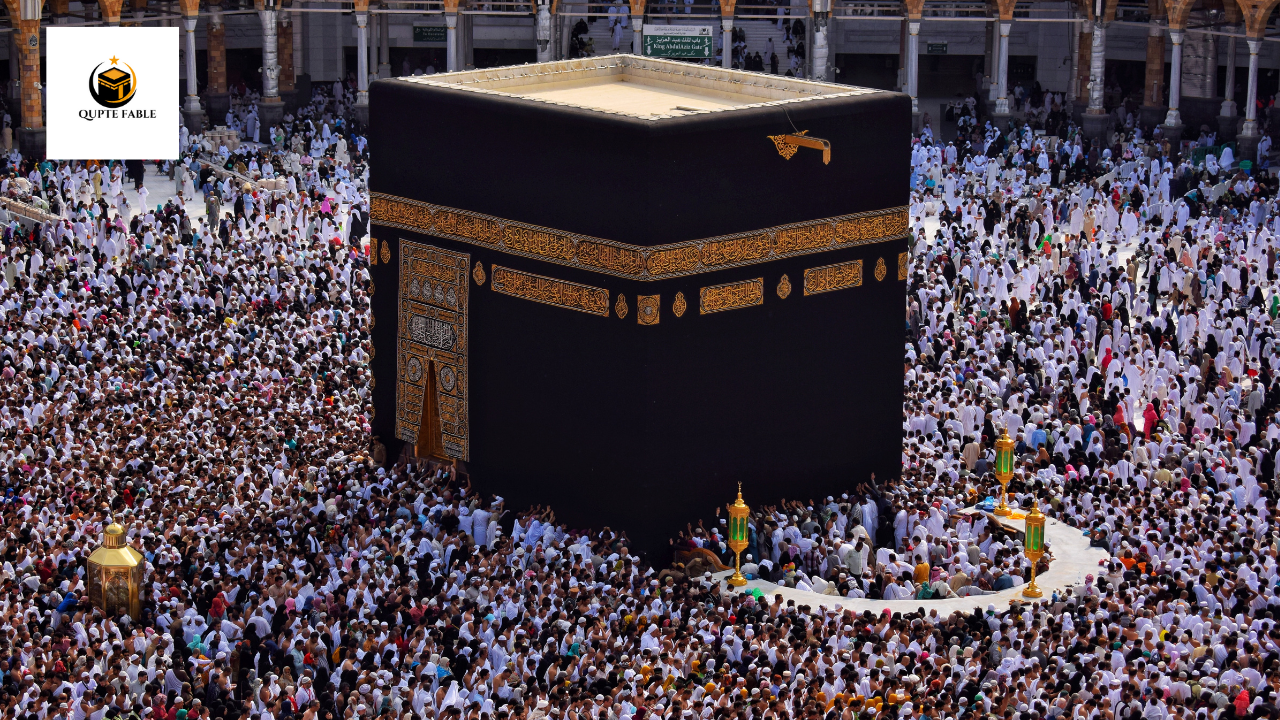
- Tawaf al-Ifadah and Sa’i: Pilgrims now go to Makkah to perform Tawaf al-Ifadah (also called Tawaf al-Ziyarah), which is a fundamental pillar (Rukn) of Hajj. They circumambulate the Kaaba seven times. This is followed by Sa’i – walking seven times between the hills of Safa and Marwah. This re-enacts the desperate search for water by Hajar (AS), the wife of Ibrahim (AS), for her infant son Ismail (AS). Her unwavering trust in Allah was rewarded with the miracle of the ZamZam spring, which flows to this day.
- The blessing of this day is the joy of Eid, the culmination of sacrifice, and the completion of the most physically demanding rites.
Days 4 & 5 (11th & 12th Dhul-Hijjah) – Ayyam al-Tashreeq (The Days of Drying Meat)
Pilgrims remain in Mina for these days. Each afternoon, they stone all three Jamarat pillars (small, medium, large) with seven pebbles each, in ascending order. These days are for remembrance of Allah (Dhikr), prayer, and reflection on the lessons of Hajj.
Final Act: The Farewell Tawaf
Before leaving the boundaries of Makkah, pilgrims must perform a final circumambulation of the Kaaba called Tawaf al-Wada (The Farewell Tawaf). This is a final opportunity to pray at the most sacred site in Islam and is a deeply emotional and poignant moment, bidding farewell to the House of Allah with the hope of returning one day.
Part 3: The Quranic Verses and Surahs of Hajj
The Quran is replete with verses about Hajj, providing its legal framework, historical context, and spiritual essence. Pilgrims often recite these throughout their journey.
| Arabic Verse & Reference | English Translation | Urdu Translation | Context & Significance |
|---|---|---|---|
| وَأَذِّن فِي النَّاسِ بِالْحَجِّ يَأْتُوكَ رِجَالًا وَعَلَىٰ كُلِّ ضَامِرٍ يَأْتِينَ مِن كُلِّ فَجٍّ عَمِيقٍ (Surah Al-Hajj, 22:27) | “And proclaim to the people the Hajj [pilgrimage]; they will come to you on foot and on every lean camel; they will come from every distant pass.” | “اور لوگوں میں حج کا اعلان کردو، وہ تمہارے پاس پیدل اور دبلے اونٹوں پر سوار ہو کر دور دراز کے رستوں سے آئیں گے۔” | This verse refers to the divine command to Prophet Ibrahim (AS) to call humanity to Hajj. It is a prophecy of the millions who would answer that call across millennia. |
| إِنَّ أَوَّلَ بَيْتٍ وُضِعَ لِلنَّاسِ لَلَّذِي بِبَكَّةَ مُبَارَكًا وَهُدًى لِّلْعَالَمِينَ (Surah Aal-e-Imran, 3:96) | “Indeed, the first House [of worship] established for mankind was that at Makkah – blessed and a guidance for the worlds.” | “بے شک سب سے پہلا گھر جو لوگوں (کی عبادت) کے لئے مقرر ہوا وہی ہے جو مکہ میں ہے، برکت والا اور سارے جہان والوں کے لئے ہدایت ہے۔” | This verse establishes the antiquity, sanctity, and universal significance of the Kaaba. |
| الْحَجُّ أَشْهُرٌ مَّعْلُومَاتٌ ۚ فَمَن فَرَضَ فِيهِنَّ الْحَجَّ فَلَا رَفَثَ وَلَا فُسُوقَ وَلَا جِدَالَ فِي الْحَجِّ (Surah Al-Baqarah, 2:197) | “Hajj is [during] well-known months, so whoever has made Hajj obligatory upon himself therein [by entering the state of Ihram], there is [to be for him] no sexual relations, no disobedience, and no disputing during Hajj.” | “حج کے مہینے مقرر ہیں، سو جو شخص ان میں حج کی نیت کرے تو حج کے دوران کوئی بیہودہ بات نہ کرے، نہ کوئی گناہ کرے اور نہ جھگڑا کرے۔” | This is a core ethical command for Hajj, mandating purity of conduct, speech, and intention throughout the pilgrimage. |
| رَبَّنَا إِنِّي أَسْكَنتُ مِن ذُرِّيَّتِي بِوَادٍ غَيْرِ ذِي زَرْعٍ عِندَ بَيْتِكَ الْمُحَرَّمِ رَبَّنَا لِيُقِيمُوا الصَّلَاةَ فَاجْعَلْ أَفْئِدَةً مِّنَ النَّاسِ تَهْوِي إِلَيْهِمْ وَارْزُقْهُم مِّنَ الثَّمَرَاتِ لَعَلَّهُمْ يَشْكُرُونَ (Surah Ibrahim, 14:37) | “Our Lord, I have settled some of my descendants in an uncultivated valley near Your sacred House, our Lord, that they may establish prayer. So make hearts among the people incline toward them and provide for them from the fruits that they might be grateful.” | “اے ہمارے رب! میں نے اپنی اولاد میں سے بعض کو تیرے حرم والے گھر (کے پاس) ایک بے آب و گیاہ وادی میں بسایا ہے۔ اے ہمارے رب! اس لیے کہ وہ نماز قائم رکھیں، پس تو لوگوں کے دلوں کو ان کی طرف مائل کر دے اور انہیں پھلوں کا رزق عطا فرما تاکہ وہ شکر گزار بنیں۔” | This is the heartfelt prayer of Ibrahim (AS) after leaving Hajar and Ismail in the desert of Makkah. It is the origin of the dua for the provision and attraction of people towards this land, which is directly answered in the form of ZamZam and the annual Hajj. |
Commonly Recited Surahs: While the entire Quran is beneficial, pilgrims often find deep resonance in reciting Surah Al-Baqarah (for its comprehensive guidance), Surah Ali ‘Imran, Surah Al-Hajj (for its direct relevance), and Surah Al-Fatihah (the essence of the Quran) repeatedly during their travels and moments of rest.
Part 4: The Paramount Importance of Hajj from the Hadith
The Sunnah of the Prophet Muhammad (PBUH) elaborates profoundly on the status and virtues of Hajj.
- The Fifth Pillar of Islam:
The Prophet (PBUH) said: “Islam is built upon five [pillars]: testifying that there is no deity worthy of worship except Allah and that Muhammad is the Messenger of Allah, establishing prayer, paying Zakat, making the pilgrimage to the House (Hajj), and fasting in Ramadan.” (Sahih al-Bukhari)
This hadith places Hajj as a fundamental, non-negotiable pillar of the faith. - A Purification from All Sins:
The Prophet (PBUH) said: “Whoever performs Hajj for Allah’s pleasure and does not have sexual relations with his wife, and does not do evil or sins then he will return (after Hajj free from all sins) as if he were born anew.” (Sahih al-Bukhari)
This is the ultimate blessing—a complete spiritual reset and forgiveness that returns the pilgrim to a state of innocence. - The Best Form of Jihad:
For many, especially women, the elderly, and the weak, Hajj is their form of striving in the cause of Allah. The Prophet (PBUH) was asked, “What is the best deed?” He said, “To believe in Allah and His Messenger.” He was then asked, “Then what?” He said, “To strive in the cause of Allah (Jihad).” He was asked, “Then what?” He said, “An accepted Hajj (Hajj Mabroor).” (Sahih al-Bukhari) - The Reward is Nothing Less Than Paradise:
The Prophet (PBUH) said: “…and the reward for an accepted Hajj is nothing but Paradise.” (Sahih al-Bukhari, Sahih Muslim)
This unequivocally states the incredible eternal reward for a Hajj performed with sincerity and correctness. - A Continuous Act of Worship:
The Prophet (PBUH) said: *”The performers of Hajj and Umrah are a delegation to Allah. If they call upon Him,
conclusion:
The journey of Hajj culminates not merely in the completion of its sacred rites, but in the profound and lasting transformation of the pilgrim‘s heart and life. A truly accepted Hajj (Hajj Mabrour) transcends the physical return from Makkah, marking the beginning of a renewed existence defined by the lessons of absolute submission, universal brotherhood, and purified intention learned on the plains of Arafah, at the Multazam, and in the simplicity of the Ihram. The pilgrim returns as an ambassador of this divine wisdom, carrying the responsibility to embody the patience, humility, and piety cultivated during the journey, forever striving to keep Allah at the center of their life and their soul as pure as the day they were forgiven and reborn.
please read the related post:A Deep Dive into Islamic Quotes: Illuminating the Heart with Qur’an, Hadith, and Duas
